
Nevada storage marketing PSA: “Climate Controlled” is a legal claim, not a vibe
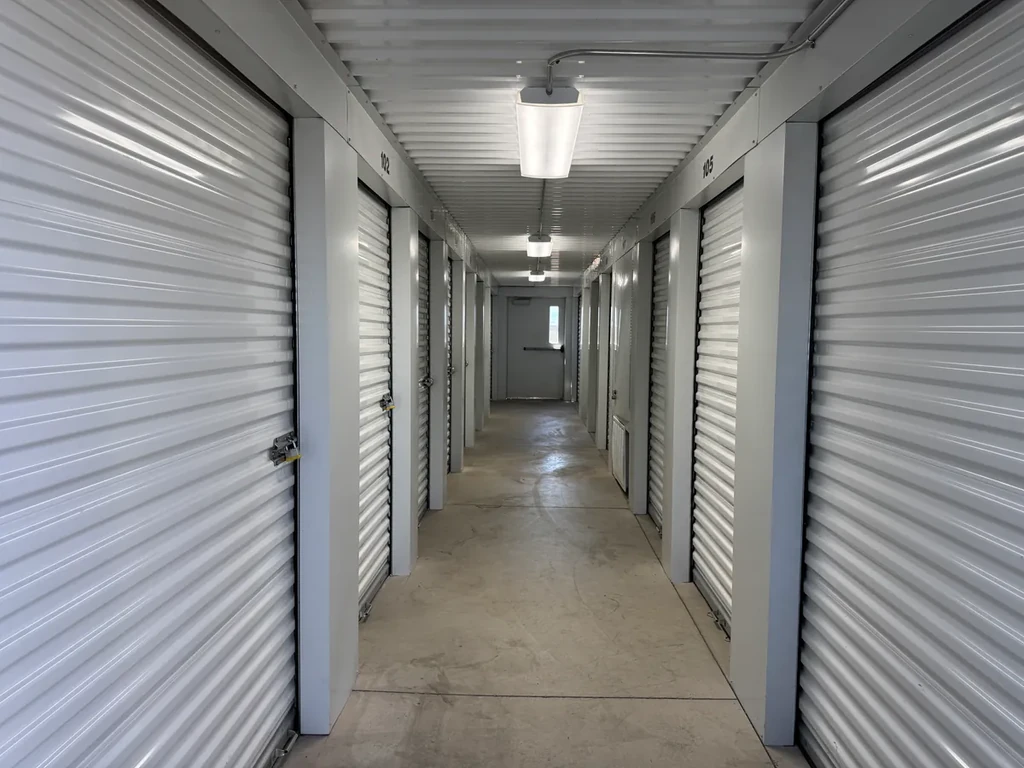
If you market self-storage in Nevada, there’s a very specific phrase you need to treat like a regulated term, not a catchy amenity.
That phrase is “climate controlled.”
What Nevada law actually says
Nevada Revised Statutes NRS 597.890 makes it illegal to advertise a storage facility/storage unit as “climate controlled” unless the advertisement specifies the range of the minimum and maximum temperature and humidity within which the facility is maintained.
In plain English: If you say “climate controlled,” you must also publish both:
- A temperature range (minimum and maximum)
- A humidity range (minimum and maximum)
If you do not include those ranges, the statute says you shall not advertise the facility as climate controlled.
The risk is not just a slap on the wrist
The statute also lays out what happens if an owner (or anyone acting on their behalf) either:
- Uses “climate controlled” in advertising without listing the temperature and humidity ranges, or
- Lists ranges but fails to maintain the facility within those advertised ranges
The owner is:
- Guilty of a misdemeanor, and
- Civilly liable to the occupant for damages to personal property caused by extremes in temperature or humidity
And here’s the part that should make every operator pause: the liability applies “notwithstanding any contrary provision in the rental agreement.” So even if your lease tries to limit liability, this statute specifically says that does not override it in this situation.
Why this matters (and why so many facilities get it wrong)
In everyday storage marketing, “climate control” gets used as shorthand for “it’s nicer inside” or “it has HVAC” or “it’s not blazing hot” or simply, "we control the temperature."
But Nevada law treats “climate controlled” as a claim tied to measurable conditions: temperature and humidity, with published ranges.
That means a lot of ads you see online are, at best, sloppy. At worst, they are creating legal exposure for the facility and misleading customers who are storing items that are sensitive to humidity (wood furniture, instruments, paper, photos, electronics, textiles, collectibles, and more).
What can you do?
The worst part, a majority of self-storage operators don/t even know they are breaking the law by using this phrase. This is where joining the Self Storage Association (SSA) - USA or the Nevada Self Storage Association can be such a huge benefit, because your membership gives you access to the legal resources those organizations maintain. They keep you up to date on the rules and laws before a complaint, fine, or lawsuit forces the issue. These organizations are invaluable to our self-storage community (no, I am not affiliated with them other than being a member of both).
A safer, clearer alternative: “Temperature Control”
If your facility maintains temperature but does not actively control humidity (or you are not advertising and maintaining a humidity range), the safest option is to use “temperature control” language instead of “climate controlled.”
It’s clearer for customers, and it avoids accidentally making a claim you cannot back up.
Quick compliance gut check for Nevada operators
If your website, Google Business Profile, listings, brochures, or paid ads say “climate controlled,” ask:
- Do we list min and max temperature and humidity ranges in that same ad?
- Can we consistently maintain those ranges?
- Is our team and our vendors using the same compliant wording everywhere?
If the answer is “no” to any of the above, you have a wording problem worth fixing and should make it I priority to do so as soon as possible.
Final note
This post is meant to be informational and help storage operators market accurately and protect customers as well as themselves. If you’re a Nevada facility using “climate controlled” in ads, it’s worth reviewing your language now, before a customer has a loss and starts asking hard questions- or worse, an opportunistic litigant who knows this particular law comes around and files a lawsuit against you.
Statute reference: NRS 597.890 (Nevada Legislature)